
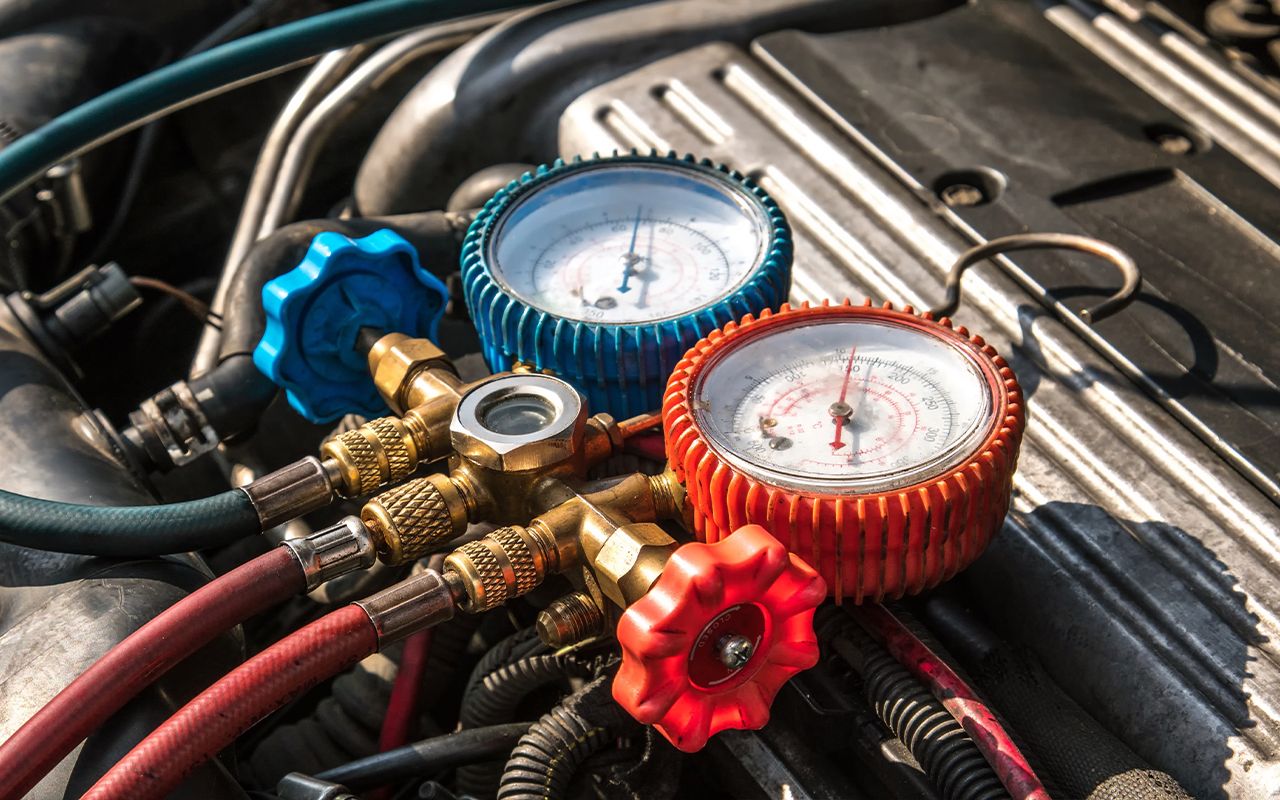
AC Service & Repair
Auto A/C diagnostics, recharge, and full system repair for Central Texas summers.
Rubber belts and hoses are some of the most overlooked maintenance items on a vehicle — until one fails and leaves you stranded. We inspect every belt and hose for cracks, wear, and leaks, and replace them with quality parts before they break.
Every repair we perform is backed by our own 36-month / 36,000-mile Labor Only Auto Repair warranty on parts and labor. That means long-term peace of mind on the work itself — if anything related to the repair fails within that period, we'll make it right.
Visual and tactile inspection of every belt and hose in the engine bay.
Show you what's worn and what can wait — with photos.
Install quality belts, hoses, and tensioners to factory spec.
Run the engine, check for leaks, and confirm proper routing and tension.
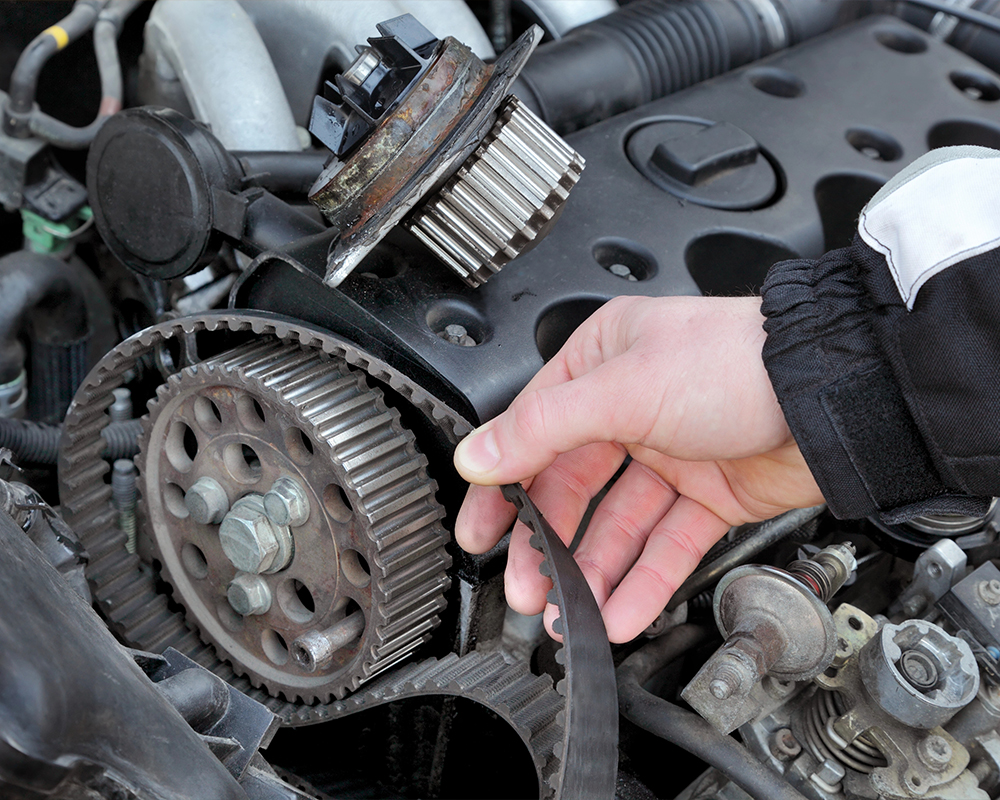
Most modern serpentine belts are designed to last 60,000–100,000 miles, and we look for cracks, glazing, missing ribs, and tensioner wobble at every service. Timing belts, where still used, are interval-based and typically called out for replacement at 60,000–105,000 miles depending on the manufacturer's service schedule. Coolant hoses should be inspected at least annually for swelling, soft spots, and pinhole leaks, since a hose failure on the highway can lead to a quick overheat and a much bigger repair bill.
Schedule a drop-offOn an interference engine — which includes most modern Honda, Subaru, VW/Audi, and many Hyundai/Kia engines — a broken timing belt allows the pistons to strike the open valves at full speed, bending valves and often damaging pistons and the cylinder head. The resulting repair can easily exceed the value of the car. We look up your specific engine's interference status and factory replacement interval, and we recommend replacing the water pump and tensioners together since the labor to access them is identical.
Schedule a drop-offSometimes a belt alone is the right fix, but a squealing belt is often the symptom of a tired automatic tensioner, a seized idler pulley, or a slightly misaligned accessory pulley. Replacing only the belt in those cases usually brings the noise back within a few thousand miles and can throw the new belt unexpectedly. We measure tensioner arm movement and spin every pulley by hand during inspection, then recommend replacing only the parts that actually need it.
Schedule a drop-offAuto A/C diagnostics, recharge, and full system repair for Central Texas summers.
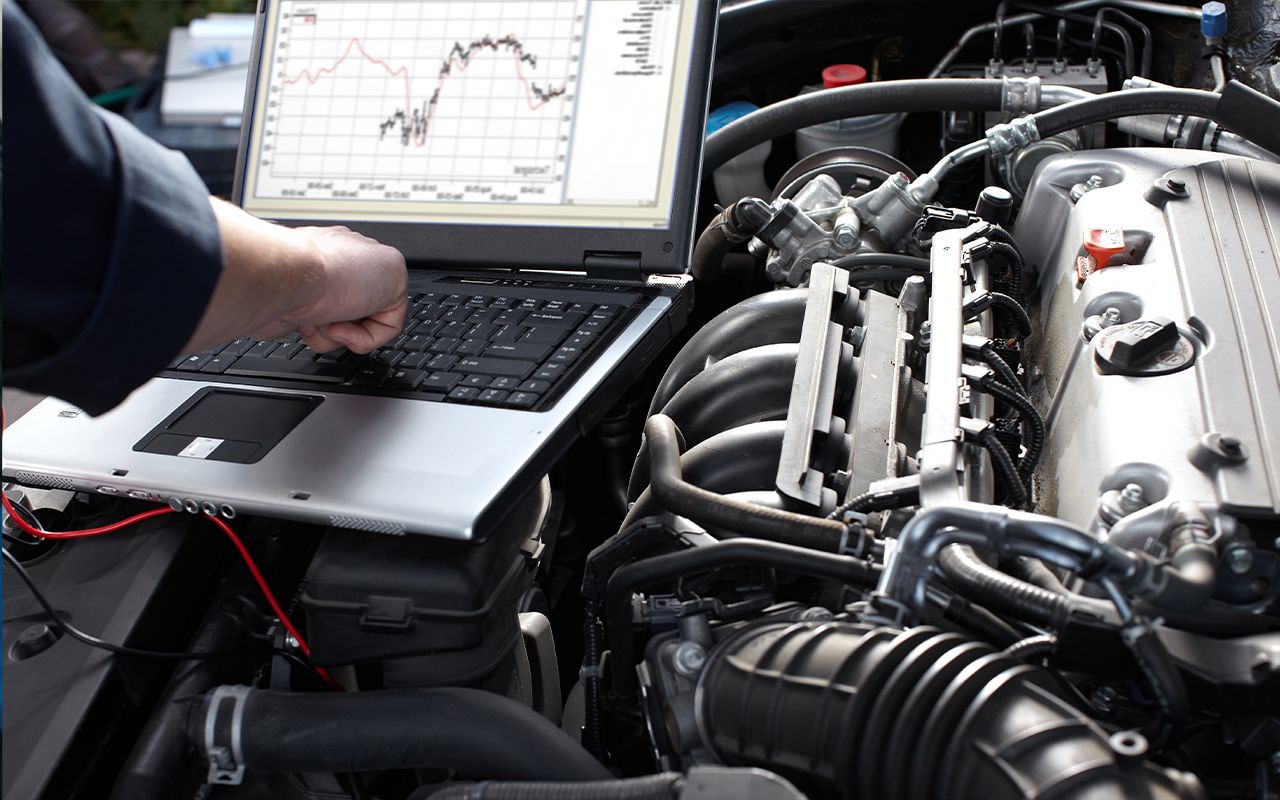
Testing and replacement of alternators and starters in Hutto, TX.

Free, honest, written estimates with photos and clear pricing in Hutto, TX.