What Your Check Engine Light Is Really Telling You
From a loose gas cap to a failing oxygen sensor, here's a plain-English guide to the most common causes.
Short answer:A check engine light means your car's computer found a problem with the engine or emissions system. The most common causes are a loose gas cap, a worn oxygen sensor, a failing catalytic converter, bad spark plugs or coils, or a faulty airflow sensor. A steady light can wait a few days. A flashing light means drive straight to a shop like Labor Only Auto Repair.
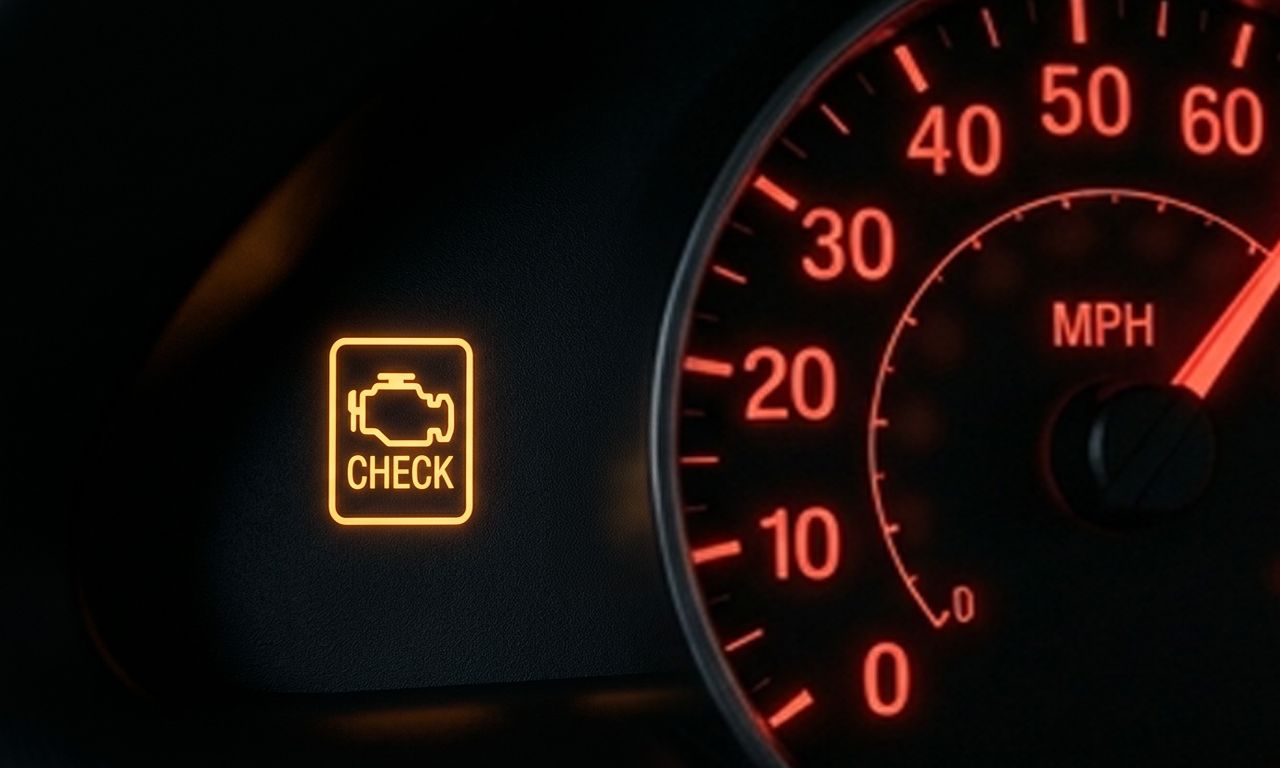
The check engine light is your car's way of saying 'something in the emissions or engine management system isn't quite right.' It is not, by itself, a sign that you need to pull over immediately — but it should never be ignored.
The five most common causes we see are: a loose or failing gas cap, a worn oxygen sensor, a failing catalytic converter, faulty spark plugs or coils, and a stuck mass airflow sensor.
A solid (non-flashing) light means you have time to get it checked. A flashing light means a misfire is happening right now and unburned fuel is being dumped into the catalytic converter — that's a 'drive straight to the shop' situation.
We run a full computer diagnostic, pull the trouble codes, and — importantly — interpret them. A code isn't a diagnosis on its own; it's a starting point. We test the actual components before we recommend a repair.
Schedule a Drop-Off at our Hutto shop.
ASE Certified · Honest pricing · Family owned for 25+ years.